
Aroon Oscillator: Complete Guide for Algorithmic Trading
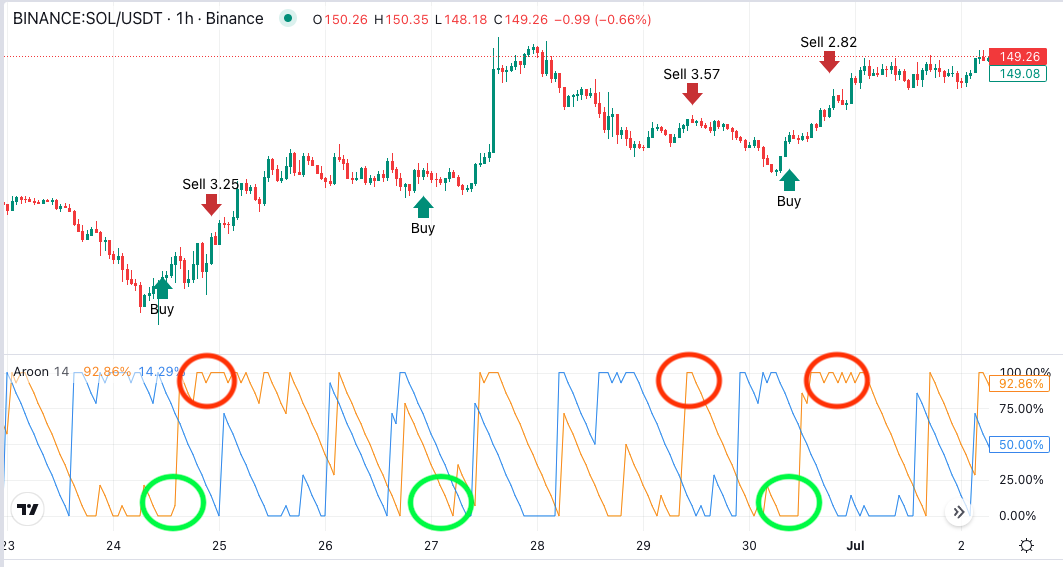
The Aroon Oscillator gives algorithmic traders a single, clear signal for trend direction and trend strength by combining two separate trend measurements into one line. It cuts through the noise of dual-line indicators and tells you directly whether buyers or sellers are in control.
What Is the Aroon Oscillator?
The Aroon Oscillator is a trend-following indicator that measures the difference between upward momentum and downward momentum over a set lookback period. It builds on the base Aroon indicator — which tracks how recently price reached its highest high and lowest low — and converts those two readings into a single oscillating line. The result is a value that moves between -100 and +100. Positive values signal bullish momentum. Negative values signal bearish momentum.
The Aroon Oscillator is distinct from the base Aroon indicator, which plots two separate lines (Aroon Up and Aroon Down). The Oscillator subtracts one from the other, giving you a single momentum reading that is faster to interpret and easier to automate.
How Is the Aroon Oscillator Calculated?
The Aroon Oscillator starts with two underlying calculations. Aroon Up measures how many periods have passed since price recorded its highest point within your chosen lookback window, expressed as a percentage of total periods. A reading of 100 means the high occurred in the most recent period. A reading of 0 means the high occurred at the very start of the window.
Aroon Down applies the same logic to the lowest low. A reading of 100 means price hit its lowest point most recently. A reading of 0 means the low occurred at the start of the window.
The Aroon Oscillator then subtracts Aroon Down from Aroon Up. The result swings between -100 and +100. A 25-period lookback is the most common setting.
How to Read Aroon Oscillator Signals?
The zero line is the most important reference point. The Aroon Oscillator above zero means recent highs are more prominent than recent lows. Buyers are in control. The Aroon Oscillator below zero means recent lows are more prominent than recent highs. Sellers are in control.
The distance from zero shows trend strength. A reading above +50 signals a strong uptrend. A reading below -50 signals a strong downtrend. Readings near zero signal a ranging market with no clear directional dominance.
Crossings of the zero line signal potential trend changes. The Oscillator crossing from negative to positive signals a shift toward bullish momentum. Crossing from positive to negative signals a shift toward bearish momentum. These crossings work best as confirmation signals — use them alongside price structure rather than in isolation.
What Are the Best Aroon Oscillator Trading Strategies?
Zero-line crossover strategy: Enter long when the Aroon Oscillator crosses above zero and price is above a longer-period moving average. Exit when the Oscillator crosses back below zero. This combines trend direction from the Aroon Oscillator with trend confirmation from the moving average, reducing false signals in choppy conditions.
Extreme reading continuation strategy: When the Aroon Oscillator reaches above +70 or below -70, the trend is strong. Enter in the direction of the extreme reading after a short-term price pullback. Set your stop beyond the most recent swing point. Strong Aroon readings mean the trend has momentum behind it — pullbacks are buying or selling opportunities rather than reversal signals.
Aroon Oscillator with ADX confirmation: The Average Directional Index (ADX) measures trend strength without showing direction. Combine it with the Aroon Oscillator: only take Aroon crossover signals when ADX reads above 25, confirming that a trend is present. This filters out sideways market conditions where Aroon crossovers produce poor results.
What Are Common Aroon Oscillator Mistakes to Avoid?
Trading zero-line crosses in ranging markets: The Aroon Oscillator generates frequent crossovers when price moves sideways. Each crossing looks like a new trend — but most fail quickly. Always confirm a trend is present using a separate indicator before acting on zero-line crosses.
Using too short a lookback period: A short period makes the Oscillator very sensitive. It whipsaws frequently, generating entries and exits faster than any strategy can act on them profitably. Most traders find periods between 14 and 25 work best. Test your specific market and timeframe during backtesting.
Treating the Aroon Oscillator as a standalone system: The Oscillator tells you about momentum direction and strength. It does not tell you where to place your stop-loss, how to size your position, or when to take profit. Always pair it with a complete set of entry, exit, and risk management rules.
Confusing the Aroon Oscillator with Aroon Up/Down: The base Aroon indicator plots two lines. The Oscillator plots one. They derive from the same data but read differently. Applying interpretations designed for the two-line version to the Oscillator version leads to misreads and poor decisions.
How to Build Aroon Oscillator Strategies in Arrow Algo?
Arrow Algo includes the Aroon Oscillator in its visual indicator library. Drag the Aroon Oscillator block onto your strategy canvas and connect it to a price data input. Set your lookback period in the block’s parameter panel.
To build a zero-line crossover strategy, connect the Aroon Oscillator output to a threshold comparison block. Set the threshold to zero. When the value crosses from negative to positive, route that signal to your entry logic block. Add a moving average block alongside it and connect both to an AND logic block — the entry fires only when both conditions hold.
To add ADX confirmation, drag an ADX block onto the canvas. Connect its output to a comparison block set above 25. Route that alongside your Aroon crossover signal into an AND block. Your strategy now requires trend direction from the Aroon Oscillator and trend strength from ADX before any entry triggers.
Backtest your Aroon Oscillator strategy on live historical data from Binance or HyperLiquid inside Arrow Algo. Run it across trending and ranging periods separately to understand how the indicator performs in each regime. For a deeper approach to validating results across different market conditions, read our guide on walk-forward analysis.
What Are the Key Takeaways?
- The Aroon Oscillator combines Aroon Up and Aroon Down into a single line ranging from -100 to +100
- Above zero signals bullish momentum; below zero signals bearish momentum
- Readings above +50 or below -50 indicate strong trends; readings near zero indicate ranging conditions
- Zero-line crossovers signal potential trend changes — confirm with price structure or a second indicator
- Avoid using the Oscillator alone in ranging markets where it generates frequent false crossovers
- Arrow Algo’s no-code builder lets you combine the Aroon Oscillator with ADX or moving averages using drag-and-drop blocks
Educational disclaimer: This content is for educational purposes only and does not constitute financial advice. Trading involves significant risk and you should only trade with capital you can afford to lose. Past performance is not indicative of future results.
Disclaimer: The information provided in this article is for educational purposes only and does not constitute financial advice. Trading involves significant risk and you should only trade with capital you can afford to lose. Past performance is not indicative of future results. Always conduct your own research before making any trading decisions.
Ready to build your own automated trading strategies without writing a single line of code? Start for free at Arrow Algo and join thousands of traders who’ve made the switch to systematic trading.