
Bitcoin Flash Crashes to $8.9K on BitMEX Amid Market Turmoil
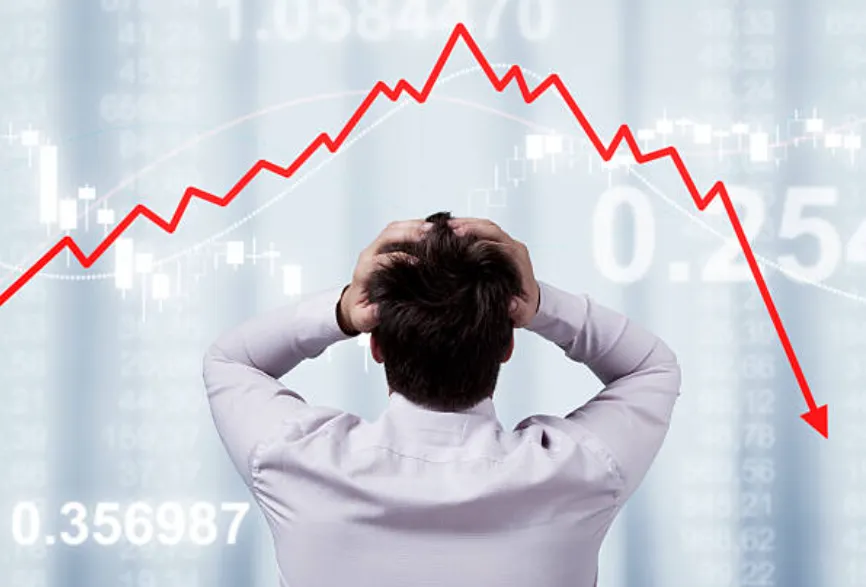
The cryptocurrency market experienced a moment of chaos as Bitcoin, the flagship digital asset, briefly plummeted to $8,900 on BitMEX late Monday. This sudden crash, attributed to large sell orders totaling $55.49 million, startled traders and observers alike. While other exchanges maintained prices above $60,000, BitMEX saw a rapid decline in prices, followed by a swift recovery to $67,000 within just ten minutes. Social media erupted with speculation, with some attributing the crash to whale selling, as over 850 BTC flooded the market. BitMEX, quick to respond, initiated an investigation into the unusual activity, reassuring users of the platform’s operational integrity and the safety of their funds.
In a significant market event, a rogue trader on BitMEX orchestrated a massive sell-off, causing Bitcoin to nosedive to $8,900. This single-handed action wiped out over $600 million from the crypto futures market, leaving traders reeling from the aftermath. While BitMEX clarified that the incident did not affect its derivative markets or index price, Bitcoin faced further challenges, dropping to around $63,000 in Asian trading hours. This decline, part of a broader market downturn, impacted major cryptocurrencies like Ethereum, Solana, BNB, Cardano, and Avalanche, all experiencing significant losses. Analysts speculated that this downturn could be typical market behaviour preceding the upcoming halving event, set to occur on April 20. Amidst the turmoil, 240,000 crypto traders suffered substantial losses totalling $623 million in just 24 hours, with long traders bearing the brunt of the impact. As the market recalibrates, traders are treading carefully.
BitMEX Investigates Unusual Activity as Bitcoin Faces Further Declines
Following the flash crash, BitMEX announced an investigation into the large sell orders that catalyzed the event. While the platform assured users that all funds were safe and operations continued as normal, questions lingered about the nature of the sell-off and its implications for the broader crypto market. Meanwhile, Bitcoin faced additional challenges as it struggled to maintain its price amid ongoing volatility. With Bitcoin’s price dropping to around $63,000 in Asian trading hours, traders anxiously awaited signs of stabilization in the market. The recent downturn, coupled with the looming halving event on April 20, heightened uncertainty among investors, prompting a cautious approach to trading strategies. As the crypto industry grapples with these challenges, traders must stay informed about market developments and keep adapting their strategies as conditions change.
Implications for Algorithmic Traders Amidst Market Volatility
The recent flash crash on BitMEX and the broader market downturn pose significant challenges for algorithmic traders navigating volatile market conditions. Algorithmic trading, which relies on pre-programmed instructions to execute trades automatically, faces heightened risks during periods of extreme price fluctuations. Traders running algorithmic strategies must adapt their models to account for sudden market movements and unexpected events, such as the flash crash observed on BitMEX.
One key consideration for algorithmic traders is the need for robust risk management protocols to mitigate potential losses during volatile periods. Implementing dynamic risk controls and stop-loss mechanisms can help algorithmic traders limit exposure to sudden price swings and prevent significant drawdowns in their portfolios. Additionally, incorporating real-time market data feeds and volatility indicators into algorithmic models can enhance decision-making capabilities and enable traders to respond swiftly to changing market conditions.
Algorithmic traders must also closely monitor liquidity levels and market depth to ensure optimal execution of trades, particularly during periods of heightened volatility. In illiquid markets, algorithmic strategies may struggle to execute orders efficiently, leading to slippage and adverse price impacts. By integrating liquidity monitoring tools and intelligent order routing algorithms into their trading systems, algorithmic traders can optimize trade execution and minimize transaction costs.
Watch, too, for potential market manipulation and irregular trading activity, as seen in the BitMEX flash crash. Detecting anomalous trading patterns and suspicious behavior early on can help algorithmic traders avoid falling victim to fraudulent activities and protect their portfolios from undue risk.
Algorithmic trading offers real benefits — automation, efficiency, speed — but it carries real risks in volatile market environments. Robust risk management protocols, real-time market data, liquidity monitoring, and a healthy suspicion of unusual activity are what let algorithmic traders ride out volatility and still capitalize on profitable trading opportunities while keeping downside risk in check.
Educational disclaimer: This content is for educational purposes only and does not constitute financial advice. Trading involves significant risk and you should only trade with capital you can afford to lose. Past performance is not indicative of future results.