
Paper Trading vs Live Trading: Know the Gap
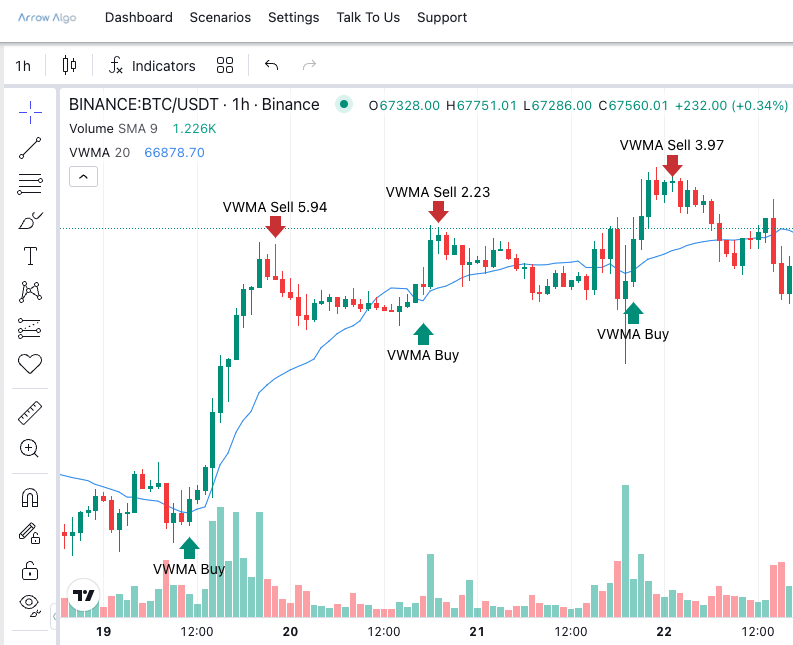
Paper trading vs live trading is a distinction every algorithmic trader must understand before risking real capital. Simulated environments let you test ideas without financial consequences, but the transition to live markets introduces variables that no paper account can fully replicate. Knowing exactly where the gap lies — and how to bridge it — is what separates consistently profitable traders from those who wonder why their backtests never translate to real returns.
What Is Paper Trading?
Paper trading is the practice of executing simulated trades using real market data but without committing actual funds. It is a risk-free sandbox where you can validate whether a strategy’s logic works as intended. In modern algorithmic trading, paper trading typically runs on a platform that mirrors live exchange conditions — processing your signals, filling orders at current prices, and tracking your simulated portfolio in real time.
The term dates back to when traders would literally write hypothetical trades on paper and track the results by hand. Today, platforms like Arrow Algo automate the entire process, letting you run your visual block strategies against live market feeds without any financial exposure.
Why Does Paper Trading Matter for Algorithmic Traders?
Building a strategy is only the first step. Paper trading vs live trading represents the critical validation phase where you confirm that your logic actually performs under current market conditions — not just historical ones.
Strategy validation: Backtesting tells you how a strategy would have performed in the past. Paper trading tells you how it performs right now, with live data, real spreads, and current volatility. A strategy that looked brilliant on two years of historical data may stumble when confronted with today’s regime.
Debugging: Paper trading reveals logic errors that backtests may hide. Perhaps your entry condition fires too frequently, or your exit trigger never activates under certain conditions. Catching these issues in simulation costs you nothing.
Confidence building: Watching a strategy generate consistent simulated returns over weeks gives you the confidence to deploy it with real capital. Skipping this step is one of the most common mistakes new algorithmic traders make.
What Are the Key Differences Between Paper Trading and Live Trading?
Understanding the gap between paper trading vs live trading prevents nasty surprises when you go live.
Slippage: In paper trading, your orders fill at the exact price you request. In live markets, your market order may fill several ticks away from the displayed price, especially in fast-moving or thin markets. This slippage erodes returns, and its impact scales with trade frequency.
Liquidity and order impact: Paper trades do not move the order book. Live orders do. If your strategy trades large positions relative to the available liquidity, your own orders will push the price against you — a cost that paper trading cannot simulate.
Latency: Simulated fills are instantaneous. Live orders travel through networks, exchanges process them, and confirmations return. Those milliseconds to seconds of delay can mean the difference between catching a breakout and chasing it.
Emotional pressure: This is the variable that catches most traders off guard. Watching real money fluctuate triggers fear and greed in ways that paper trading never does. Algorithmic traders are not immune — the temptation to override your system during a drawdown is real, even when you know the strategy is sound.
Exchange-specific behaviour: Rate limits, minimum order sizes, fee tiers, and maintenance windows all affect live execution. Paper accounts may not enforce these constraints, giving you an unrealistically smooth experience.
How Can You Bridge the Gap?
The goal is not to eliminate the gap — some differences are inherent to live markets. The goal is to minimise surprises.
1. Run paper trading for a meaningful period. A few days is not enough. Run your strategy in simulation for at least two to four weeks across different market conditions. Monitor how it handles ranging days, trending days, and high-volatility events.
2. Account for realistic costs. When evaluating paper results, subtract estimated slippage and transaction costs manually. A common rule of thumb is to assume 0.05%–0.10% slippage per trade for liquid crypto pairs and higher for smaller altcoins.
3. Start small when going live. Use the minimum position size your exchange allows for the first live week. This exposes you to real execution dynamics — slippage, latency, fees — while limiting financial risk. Scale up only after confirming live results roughly match your paper expectations.
4. Compare paper and live results side by side. Run your strategy in both paper and live mode simultaneously for an overlap period. Any significant divergence in fill prices, win rates, or average returns per trade will pinpoint exactly where the gap lies.
5. Track your own behaviour. If you find yourself overriding your algorithmic strategy during live trading — cancelling orders, widening stops, taking profits early — that is the emotional gap at work. The solution is to trust your tested system and let the automation handle execution.
How to Apply Paper Trading in Arrow Algo?
Arrow Algo makes the paper-to-live transition seamless. Build your strategy with the visual block builder, then backtest it against real historical exchange data to validate the core logic. When you are ready, switch to demo mode — your strategy runs against live market data with simulated execution, giving you a realistic paper trading environment.
Once demo results meet your criteria, flip to live mode with a single toggle. The same visual blocks, the same logic, the same risk rules — just real orders on real exchanges. No code changes, no migration headaches. This smooth workflow means you can iterate rapidly: test an idea, paper trade it, go live, and refine based on actual results.
What Are the Key Takeaways?
- Paper trading vs live trading is not just a simulation gap — it involves slippage, liquidity, latency, fees, and emotional pressure
- Backtesting validates past performance; paper trading validates present-day execution
- Run paper trades for at least two to four weeks before going live with any strategy
- Start live trading with minimum position sizes and compare results against your paper account
- The emotional gap is real — trust your tested system and resist the urge to override it
- Arrow Algo’s demo mode lets you paper trade with live data, then switch to live execution with one click
Educational disclaimer: This content is for educational purposes only and does not constitute financial advice. Trading involves significant risk and you should only trade with capital you can afford to lose. Past performance is not indicative of future results.
Disclaimer: The information provided in this article is for educational purposes only and does not constitute financial advice. Trading involves significant risk and you should only trade with capital you can afford to lose. Past performance is not indicative of future results. Always conduct your own research before making any trading decisions.
Ready to build your own automated trading strategies without writing a single line of code? Start for free at Arrow Algo and join thousands of traders who’ve made the switch to systematic trading.