
SEC Faces Backlash Over 'Gross Abuse of Power' in Debt Box Case
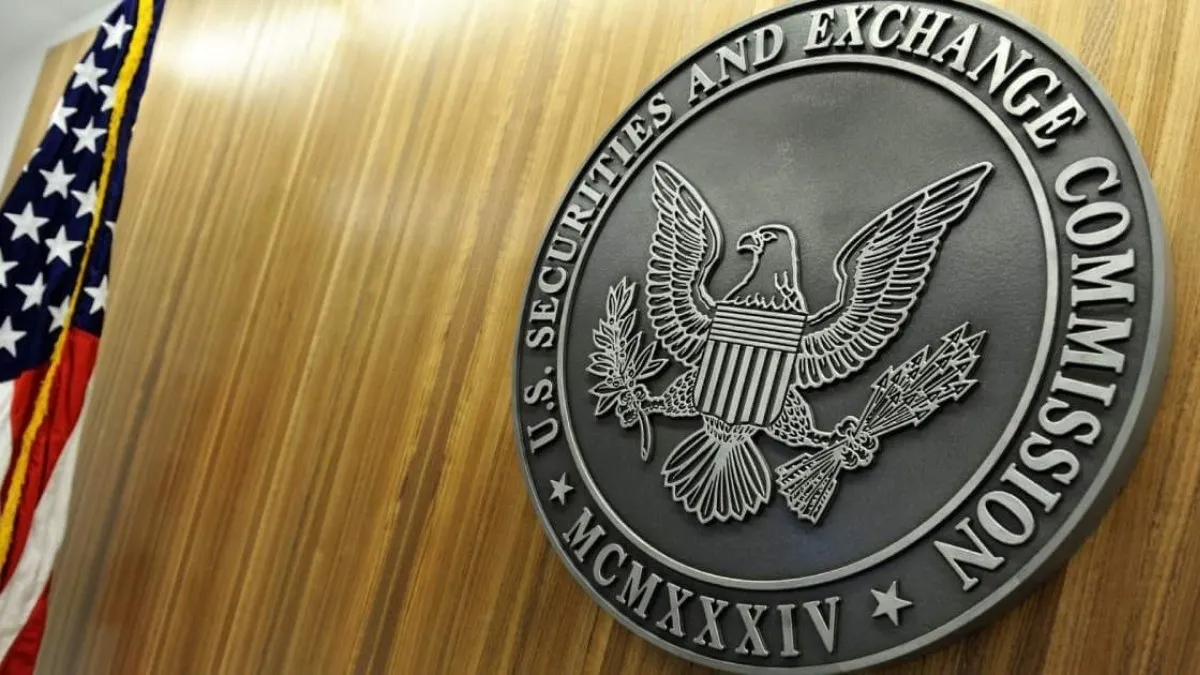
In a recent legal development, the Securities and Exchange Commission (SEC) found itself in hot water as a United States district court imposed sanctions on the regulator for what the judge termed a “gross abuse of power” in its lawsuit against Debt Box, a Utah-based crypto company. The SEC’s actions came under scrutiny when Judge Robert J. Shelby denied the regulator’s motion to dismiss without prejudice, criticizing it for intentionally misleading the court about evidence obtained to secure a temporary restraining order (TRO) and asset freeze of Debt Box’s assets last August.
The court’s ruling highlighted the SEC’s misconduct, emphasizing that the critical evidence presented by the SEC lacked any basis and was advanced in deliberately false and misleading ways. Judge Shelby emphasized that the SEC’s conduct undermined the integrity of the judicial process, leading to sanctions against the regulator.
Debt Box, accused by the SEC of perpetrating a $50-million fraudulent cryptocurrency scheme, challenged the regulator’s claims, leading to a closer examination of the SEC’s actions. The court found that the SEC misrepresented evidence and misled the court about the transfer of funds, prompting further scrutiny of the regulator’s conduct.
The ruling also criticized SEC attorney Michael Welsh for misleading the court and attempting to obfuscate the facts. The judge’s decision to make the SEC pay Debt Box’s legal costs reflects the severity of the misconduct — and stands as a warning to regulators against abuse of power.
In response to the ruling, an SEC spokesperson stated that the agency was “reviewing the decision.” The outcome of this case raises questions about the accountability of regulatory agencies, and about how much transparency and integrity courts can expect from them in legal proceedings. It also shows how hard the fast-moving cryptocurrency market is to regulate — and why ethical standards in enforcement matter.
Implications for the Crypto Industry and Algo Traders
The recent legal developments surrounding the SEC’s actions against Debt Box have significant implications for the broader crypto industry and algorithmic traders operating within it. As regulatory scrutiny intensifies in the crypto space, traders and investors must remain vigilant about potential abuses of power and misleading practices by regulatory bodies.
For crypto algo traders, the case is a reminder to exercise caution and conduct thorough due diligence when engaging in trading activities. Regulatory actions, such as those seen in the Debt Box case, can have far-reaching consequences for market participants, including asset freezes, legal battles, and reputational damage.
Moving forward, crypto algo traders should closely monitor regulatory developments and stay informed about any potential legal risks associated with their trading strategies. Staying informed and proactive softens the impact of regulatory surprises when they come.
The case also shows why transparency and compliance matter within the crypto industry. As regulators continue to crack down on fraudulent schemes and misleading practices, industry participants must prioritize ethical conduct and regulatory compliance to maintain trust and credibility in the market.
Overall, the Debt Box case serves as a cautionary tale for both regulators and market participants in the crypto industry. As regulatory oversight increases, crypto algo traders must stay vigilant and adaptable to protect their interests in a regulatory environment that keeps shifting.
Educational disclaimer: This content is for educational purposes only and does not constitute financial advice. Trading involves significant risk and you should only trade with capital you can afford to lose. Past performance is not indicative of future results.