
Algorithmic Trading Portfolio: Reduce Risk at Scale
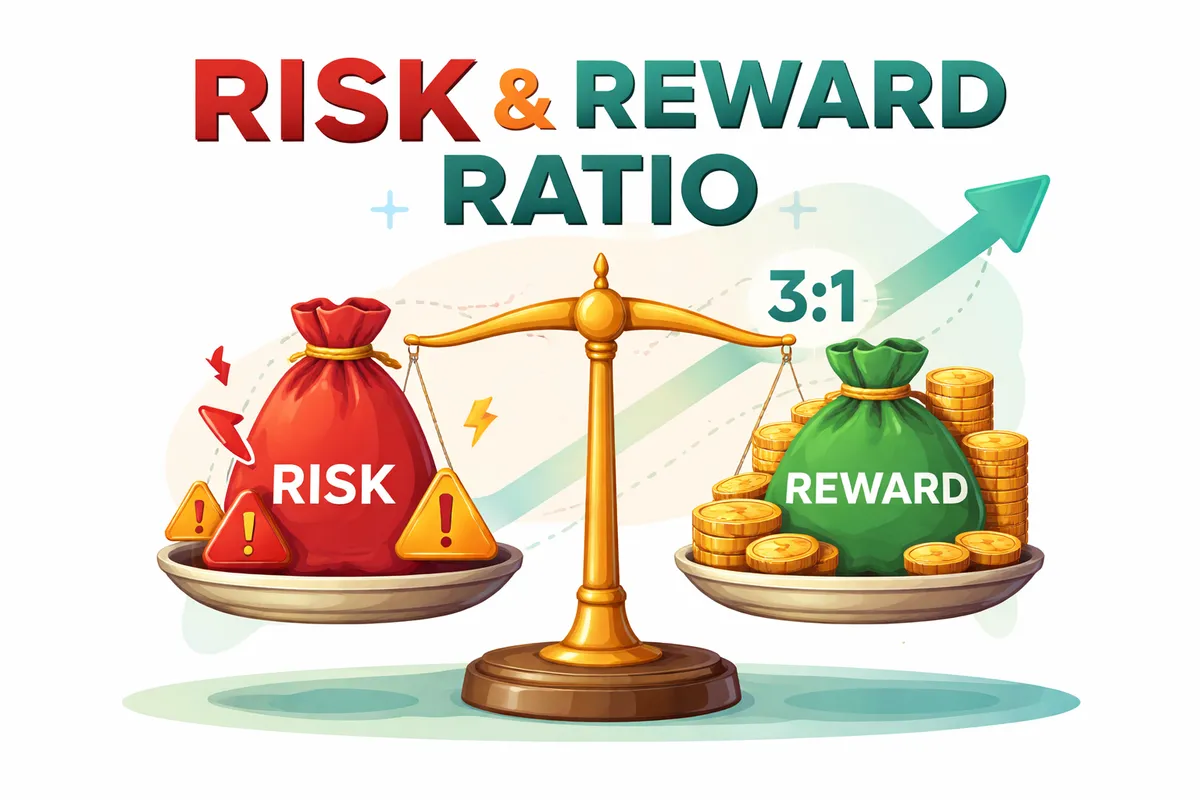
An algorithmic trading portfolio is a collection of automated strategies running simultaneously across different markets, timeframes, or logic types. Instead of relying on a single algorithm, systematic traders diversify across multiple strategies. The goal is to reduce dependence on any one approach and produce a smoother equity curve over time.
What Is an Algorithmic Trading Portfolio?
An algorithmic trading portfolio is two or more automated strategies running in parallel. Each strategy has its own logic, entry and exit rules, and risk parameters. Together, they form a portfolio — just like a stock portfolio spreads capital across multiple assets.
The strategies in a portfolio often behave differently. One may follow trends. Another may trade mean reversion. A third might operate on a different timeframe or market. When one strategy underperforms, others may offset those losses.
Building a portfolio of algorithms is a natural progression for systematic traders who have validated one strategy and want to reduce overall risk.
Why Build a Portfolio of Algorithms?
A single algorithm exposes you to a specific type of market risk. Trend-following strategies struggle in ranging markets. Mean-reversion strategies underperform in strongly trending ones. No single strategy works in all conditions all the time.
A portfolio of algorithms provides:
- Regime diversification: different strategies thrive in different market environments.
- Smoother equity curves: losses in one strategy are offset by gains in another.
- Reduced drawdown: correlated losses become less likely when strategies behave differently.
- Consistent execution: each strategy runs on its own logic, 24 hours a day, without manual intervention.
Combining uncorrelated return streams reduces portfolio volatility without sacrificing expected returns. This is one of the most reliable principles in systematic trading — and it applies directly to strategy diversification in algo trading.
How Many Strategies Should You Run?
There is no single right answer. Two well-chosen, uncorrelated strategies often outperform five poorly chosen ones.
The most important factor is correlation. If all your strategies buy the same assets in the same conditions, they lose at the same time. True diversification requires strategies that are genuinely different — different markets, different timeframes, or different signal logic.
A practical starting point: run two to three strategies that have shown positive results in backtesting across different market regimes. Add more only after confirming that each new strategy is sufficiently uncorrelated with existing ones.
What Makes a Good Algorithmic Trading Portfolio?
Low correlation between strategies. If two strategies both buy BTC on RSI oversold signals, they are essentially the same strategy running twice. Look for strategies with meaningfully different underlying logic.
Independent risk parameters. Each strategy should manage its own position size and stop-loss. Do not let strategies share a common stop — this creates hidden correlation and unexpected concentration risk.
Balanced allocation. Allocate capital based on each strategy’s historical volatility and performance. A lower-volatility strategy may deserve a higher allocation than a high-volatility one, even if raw returns look similar.
Regular review cadence. A strategy that performed well for six months may degrade as market conditions change. Review each strategy individually and as a portfolio on a regular schedule. Our backtesting best practices guide covers a structured review framework.
How to Apply This in Arrow Algo
Arrow Algo lets you build and run multiple strategies simultaneously using the no-code visual block builder. No programming is required at any stage.
Here is how to build an algorithmic trading portfolio using the drag-and-drop interface:
- Build each strategy independently. Use separate visual block canvases for each strategy. Give each one different logic — for example, one trend-following and one mean-reversion approach.
- Backtest each strategy separately. Run backtests against real historical data from exchanges like Binance or Coinbase. Validate each strategy across different market conditions before combining them.
- Check for correlation. Compare the equity curves from each backtest. Strategies with overlapping drawdown periods are likely correlated. Adjust the logic if the overlap is significant.
- Set independent risk parameters. Define position size, stop-loss, and take-profit rules for each strategy independently within its own settings block.
- Run them in parallel. Arrow Algo lets you activate multiple live strategies at the same time. Each runs its own logic continuously — no manual oversight required.
What Are the Key Takeaways?
- An algorithmic trading portfolio runs multiple automated strategies simultaneously to reduce risk.
- Diversifying across logic types, timeframes, and markets reduces dependence on any single approach.
- Correlation is the key metric — genuinely uncorrelated strategies provide real diversification.
- Allocate capital based on each strategy’s volatility and historical performance, not equally.
- Review each strategy individually and as a portfolio on a regular schedule.
- Arrow Algo’s no-code visual builder lets you build, backtest, and run a portfolio of algorithms without writing a single line of code.
Disclaimer: This content is for educational purposes only and does not constitute financial advice. Trading involves significant risk and you should only trade with capital you can afford to lose. Past performance is not indicative of future results. Always conduct your own research before making any trading decisions.
Ready to build your own automated trading strategies without writing a single line of code? Start for free at Arrow Algo and join thousands of traders who’ve made the switch to systematic trading.