
Recency Bias: Why the Last Trade Feels Like the Truth
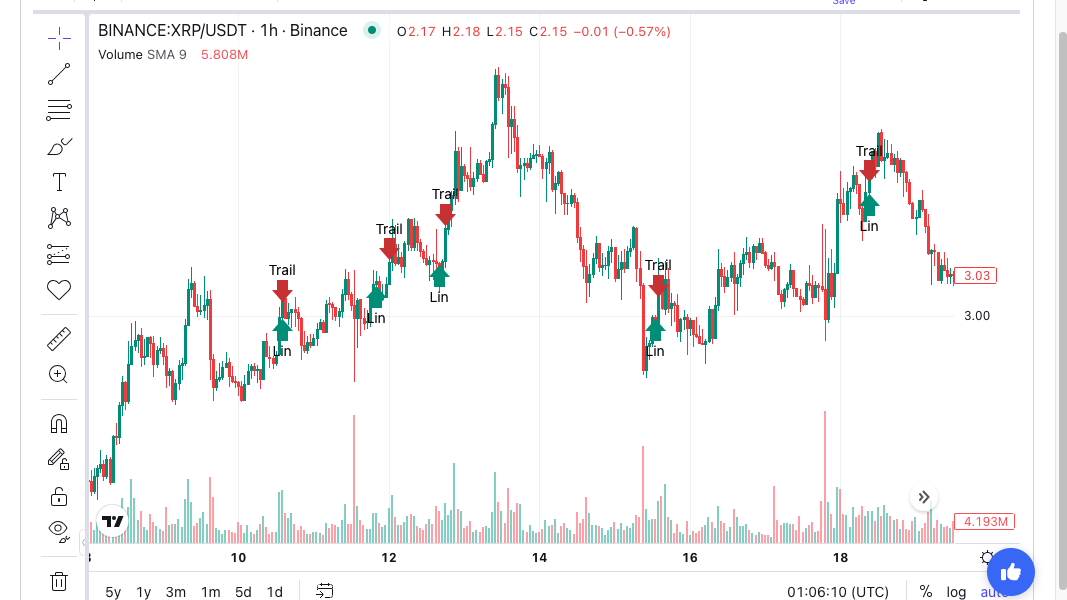
Recency bias in trading is the brain’s habit of treating the last few results as the truth about the future. Three wins in a row and the strategy feels unstoppable. Three losses and it feels broken. A hot month and the trend feels permanent. The most recent data is the loudest — and in markets, the loudest data is usually the least representative.
What Is Recency Bias?
Recency bias is the tendency to overweight recent events and underweight the longer record when judging what happens next. It exists because it is usually a decent shortcut — in most of life, what happened lately is a fair guide to what happens next. Markets break the shortcut. Prices move in regimes that end, streaks that mean nothing, and cycles that punish extrapolation, which is why behavioural finance ranks it among the most expensive habits retail traders carry.
How It Shows Up in Trading
- Sizing up after wins. A hot streak feels like skill compounding, so risk creeps up — right when a normal losing run is statistically due to arrive at the larger size.
- Going gun-shy after losses. After a losing stretch, traders skip the next signals — often the very trades that would have recovered the drawdown.
- Extrapolating the regime. A strong month convinces everyone the trend is the new normal. Positioning peaks precisely as the regime ages.
- Judging strategies on the last ten trades. A system validated over 300 trades gets abandoned over its most recent 10 — a sample that, as our backtest sample size guide showed, proves nothing at all.
Why Crypto Makes It Worse
Crypto compresses the cycle. A 25% month, a 10% flush, and three sentiment reversals can all happen inside six weeks, so the “recent past” gets replaced constantly. The market is also open 24/7, which means there is always a fresh candle to overreact to. And the loudest voices on any timeline are always narrating the last move as if it were the next one. Recency bias plus a fast market is how traders end up maximally long at local tops and flat at local bottoms — always positioned for the market that just happened.
The Real Cost: Quitting at the Turn
The most expensive version is strategy abandonment. Every strategy’s results cluster — as the losing streaks post showed, even strong systems produce six or eight straight losses on schedule. Recency bias reads that normal cluster as failure and switches strategies — usually into whatever worked most recently for someone else. The result is a career of buying strategy tops and selling strategy bottoms, the meta-version of buying market tops. The switch itself, not the streak, is what destroys the long-term expectancy.
How Do You Correct for It?
- Judge against the full distribution. Compare the recent run to the backtest’s whole history. Is this streak inside what 300 trades already showed you? Usually, yes.
- Fix your review window in advance. Evaluate performance monthly or quarterly on schedule — never mid-drawdown, never mid-euphoria.
- Keep sizing mechanical. Position size derived from a rule cannot inflate after wins or shrink after losses.
- Write the regime assumption down. “This strategy expects trending conditions” — so when results dip in chop, you have a reason on paper instead of a feeling in the moment.
How Arrow Algo Removes the Recency Loop
An automated strategy has no recent past. The rules you build as visual blocks in Arrow Algo weigh the 300th trade exactly like the 3rd — no confidence surge after wins, no flinch after losses, no memory at all beyond what the indicators measure. The backtest is the anti-recency tool: it shows the strategy’s behaviour across whole cycles, so the latest ten trades can be seen for what they are — a small sample from a known distribution. Build the rules, verify them over years of exchange data, and let the system do what humans reliably cannot: treat this week as just another week.
What Are the Key Takeaways?
- Recency bias makes the last few trades feel like the future — they aren’t.
- It inflates size after wins, blocks entries after losses, and extrapolates every regime.
- Crypto’s speed amplifies it: the “recent past” refreshes constantly, and there is always a new candle to overreact to.
- The biggest cost is abandoning validated strategies during normal streaks — quitting at the turn.
- Scheduled reviews, mechanical sizing, and automated rules in Arrow Algo replace the last-trade feeling with the full-sample view.
Disclaimer: This content is for educational purposes only and does not constitute financial advice. Trading involves significant risk and you should only trade with capital you can afford to lose. Past performance is not indicative of future results. Always conduct your own research before making any trading decisions.
Ready to build your own automated trading strategies without writing a single line of code? Start for free at Arrow Algo and join thousands of traders who’ve made the switch to systematic trading.