
FOMO Trading: Why Chasing Pumps Costs You
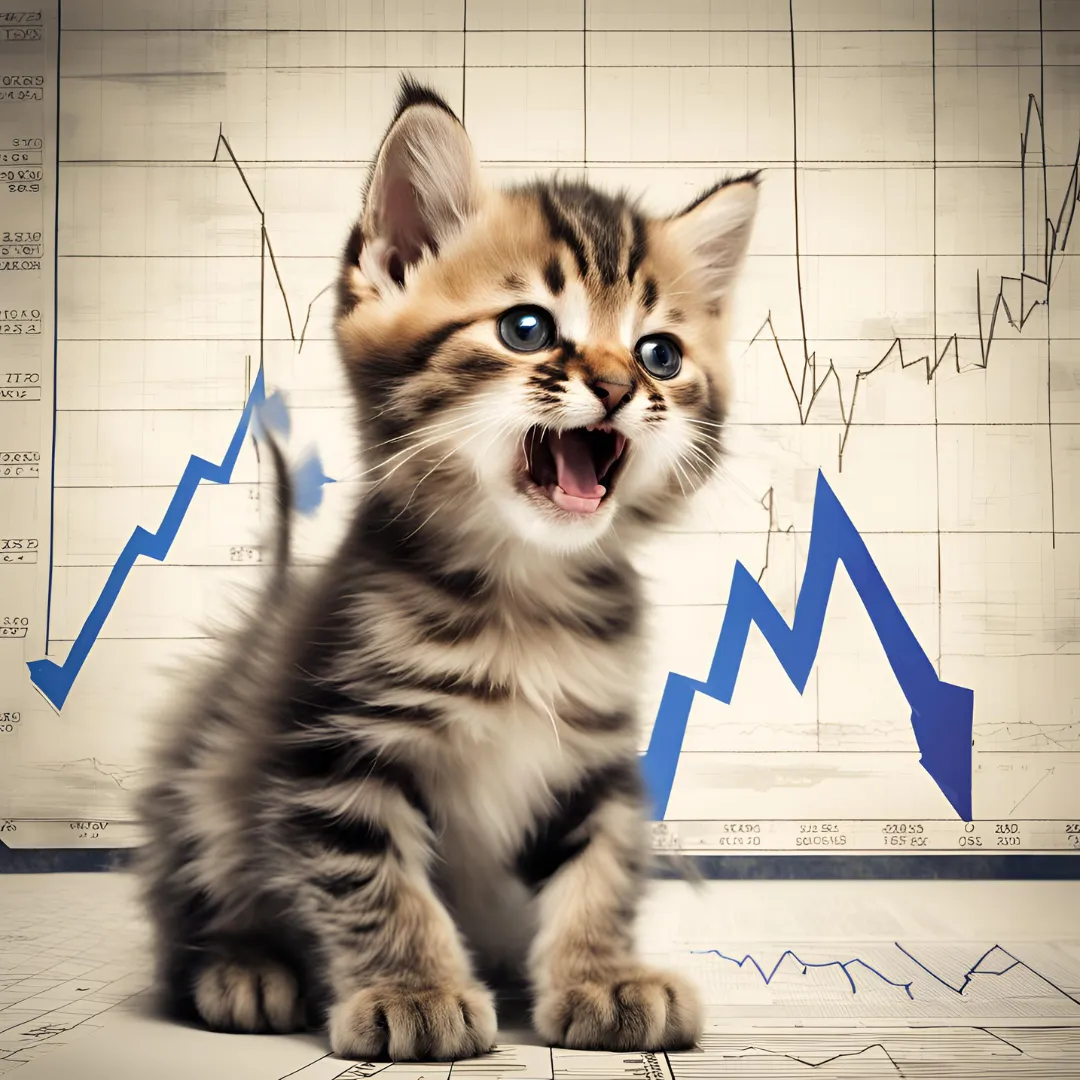
FOMO trading is buying not because your strategy says so, but because the price is running away without you. The chart is vertical, the timeline is full of screenshots, and a voice insists this is the last train leaving the station. It is the mirror image of panic selling — and in a market currently sitting at Extreme Greed on the Fear & Greed Index, it is the behaviour most likely to be draining accounts this week.
What Is FOMO Trading?
FOMO — the fear of missing out — becomes FOMO trading when the anxiety of watching others profit overrides your entry rules. The tell is simple: the trade exists only because price already moved. No pullback waited for, no level reclaimed, no signal fired. The entry is the emotion. Where revenge trading is driven by a loss you took, FOMO trading is driven by a gain you didn’t — two sides of the same rule-abandoning coin.
What Drives the Urge to Chase?
Three forces stack up. Herd instinct makes a crowd of buyers feel like evidence — if everyone is buying, they must know something. Social media distorts the sample: you see the wins, never the liquidations, so the risk looks smaller than it is. And envy of unrealised gains reframes the decision — the question quietly shifts from “is this a good entry?” to “how much would I have made if I’d bought yesterday?” That second question has no risk management in it at all.
Why Chasing Costs Money
The mechanics are stacked against the late buyer. Entering after a vertical move means your stop is either enormous (far below, at the last structure) or meaningless (close by, guaranteed to be hit by normal volatility). The risk-reward is inverted: most of the move has been paid out to earlier buyers, and you are underwriting their exit. Volatility is also highest exactly at these moments, so position sizing built for normal conditions is suddenly oversized. The result is a familiar cycle: chase the candle, absorb the first sharp pullback, panic out near the local low — then watch the trend resume without you, and chase again. Each loop transfers money from the impatient to the systematic.
The Signs You’re Trading on FOMO
- Urgency. The feeling that the entry cannot wait for a close, a pullback, or a confirmation is the clearest signal that emotion is driving.
- Justification after the click. You buy first and construct the thesis afterwards.
- Checking what you’d have made. Calculating hypothetical profits from an entry you didn’t take is FOMO doing its arithmetic.
- Entries far from any plan. The asset isn’t on your watchlist, the setup isn’t in your playbook, and the trade appeared mid-scroll.
How Do You Trade Rallies Without Chasing?
The answer is never “ignore strong markets” — momentum is real and tradeable. The answer is deciding the entry before the emotion arrives.
- Define the trigger in advance. A breakout entry above a specific level with a confirmed close is a plan; a market buy into a green candle is a feeling.
- Let pullbacks come to you. Strong trends retrace to moving averages and prior levels routinely. A resting order at your level either fills at a good price or keeps you out of a bad one.
- Size by volatility, not conviction. If the move has doubled the average candle size, halve the position.
- Accept missed trades as a cost of discipline. Every strategy misses moves. None of the missed ones cost money.
How Arrow Algo Takes FOMO Out of the Loop
FOMO needs a human at the button. When your entry rules run as visual blocks in Arrow Algo, the strategy watches the vertical candle with perfect indifference: if the conditions are met, it enters at the level you defined in calm conditions; if not, it does nothing, no matter how green the chart or how loud the timeline. Backtesting shows you in advance how the rules perform across whole cycles — including all the rallies they correctly sat out — which is what makes sitting out the next one psychologically survivable. The strategy you built on a quiet Sunday executes identically at the top of a frenzy. That consistency is the entire edge.
The Essentials to Remember
- FOMO trading means the entry exists because price moved, not because a signal fired.
- Herding, curated social feeds, and hypothetical-profit arithmetic supply the pressure; inverted risk-reward collects the bill.
- Urgency is the tell — real setups survive waiting for confirmation, imaginary ones don’t.
- Pre-defined breakout and pullback rules let you participate in strong trends without chasing them.
- Automating those rules in Arrow Algo removes the button the emotion needs to press.
Disclaimer: This content is for educational purposes only and does not constitute financial advice. Trading involves significant risk and you should only trade with capital you can afford to lose. Past performance is not indicative of future results. Always conduct your own research before making any trading decisions.
Ready to build your own automated trading strategies without writing a single line of code? Start for free at Arrow Algo and join thousands of traders who’ve made the switch to systematic trading.